Roofing materials compared for Fort Smith
Compare asphalt and metal by the decisions that affect the whole roof, from installation to long-term upkeep.
A closer look before a big decision.Free inspection. No project commitment.
Choosing between asphalt shingles and metal
The material choice changes appearance, attachment and maintenance. The roof’s slope, supporting deck and transitions narrow what is suitable before color enters the conversation.
Architectural asphalt can be a practical pitched-roof choice; metal uses a different panel and flashing system and often carries a higher initial cost. Neither option makes roof details unimportant.
Asphalt shingles and metal roofing explorer
Select a material to compare its construction and the supporting work. The roof’s slope and condition still need to be established before an installation is selected.
Asphalt shingles
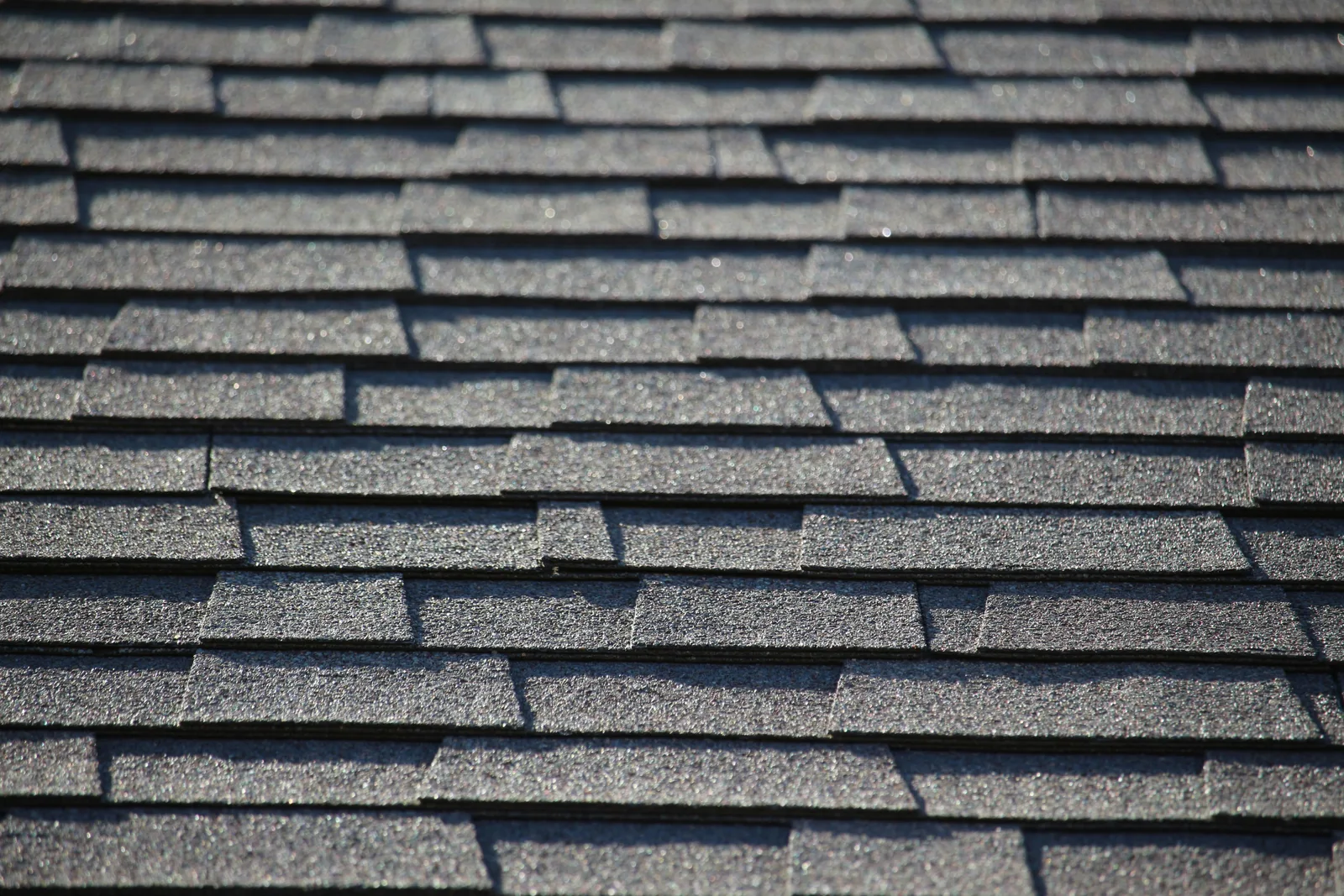
The visible surface is a series of overlapping shingles. Nails secure them to the deck, and the sealing system helps resist wind lifting the edges. Three-tab, architectural and designer profiles change the appearance; impact resistance is a separate product rating.
A local repair needs flexible, sound shingles around it and a compatible replacement. For a reroof, the proposed work should explain what is removed, how unsound decking is handled and how the roof is finished at walls, valleys, vents and edges.
- Supporting layers
- Sound decking, suitable underlayment and working flashing.
- Installation scope
- Sound deck, compatible underlayment and connected walls, valleys, vents and edges.
Metal roofing
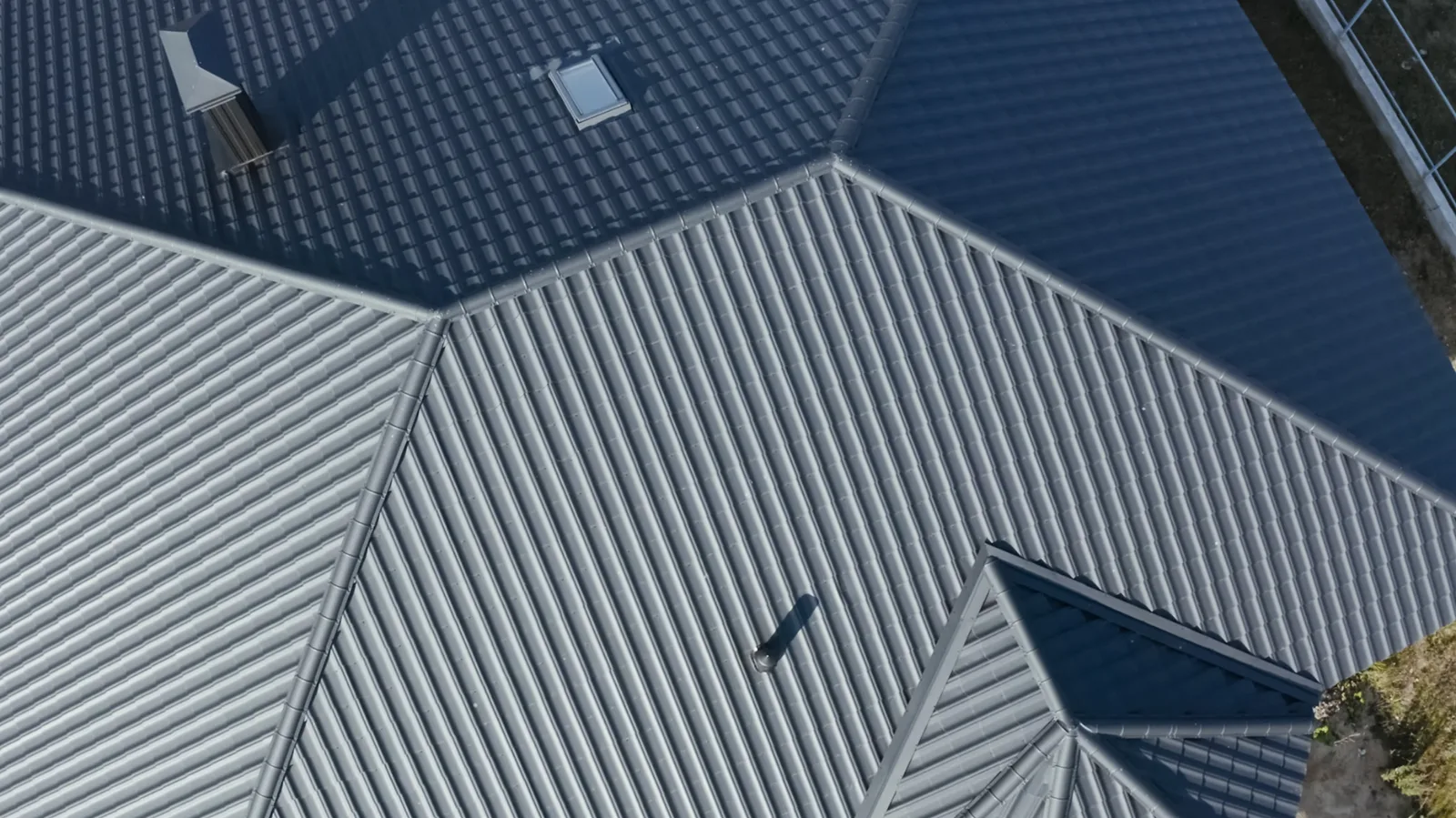
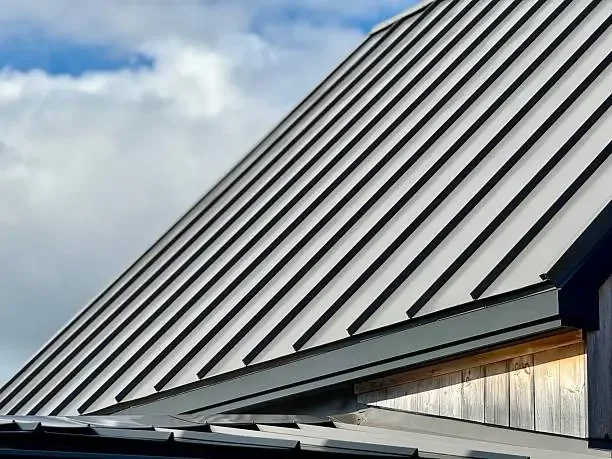
Metal changes more than the roof profile. The attachment and flashing system must suit the panel and allow for movement. Standing-seam and exposed-fastener roofs have different connections and maintenance points.
The roofer needs to establish the panel system, suitable support and the connections at roof transitions before the material switch is priced. The underlayment and moisture-control approach belong to that assembly, rather than being treated as optional work below a new surface.
- Connection choice
- Standing seam or exposed fasteners, with product-specific details.
- Installation scope
- Panel attachment, movement, roof transitions and long-term maintenance points.
This comparison explains roofing choices. It does not determine which assembly is suitable for an uninspected roof.
Asphalt shingles and metal at a glance
| Decision | Asphalt shingles | Metal roofing |
|---|---|---|
| Appearance | Overlapping courses; three-tab, dimensional or designer profiles. | Continuous panels; raised seams or exposed-fastener profiles. |
| Attachment | Nails and shingle sealing work with overlapping courses. | The selected fastening system must accommodate panel movement. |
| Repair | Local replacement depends on flexible surrounding shingles and an available compatible material. | Repair depends on panel type, finish, corrosion and the location of the defect. |
| Upkeep | Keep water routes clear and address damaged covering or flashing. | Monitor seams, penetrations, edges and exposed fasteners where present. |
Decking, underlayment and material suitability
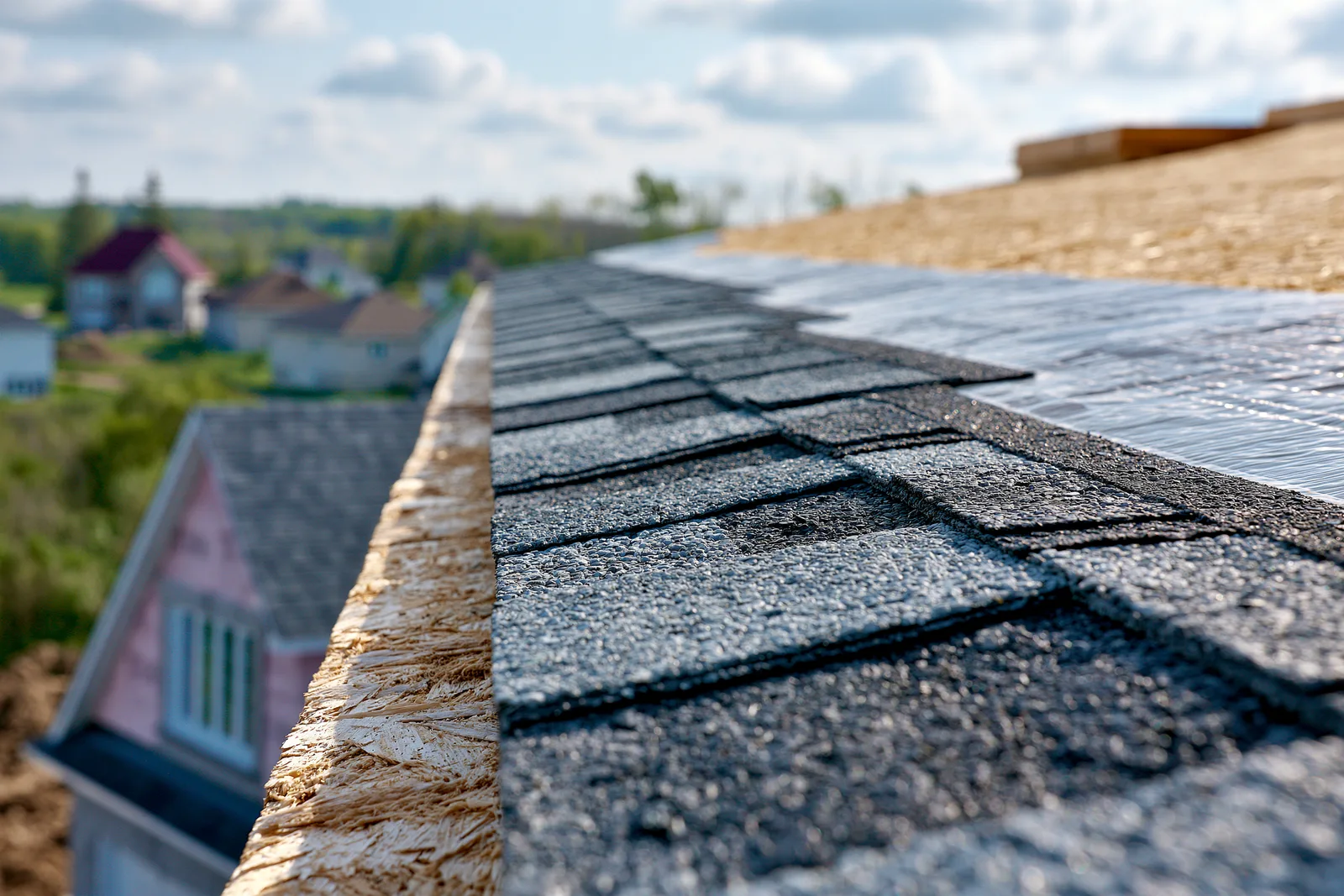
Every covering depends on suitable support. Soft or deteriorated decking needs correction before it is concealed, and the underlayment has to suit the material and the roof slope. A low porch roof may need a different system from the main pitched roof above it.
A material change also changes the connections. Flashing made for a shingle-to-wall junction is not automatically a complete detail for a new metal panel. Valleys, chimneys, pipe openings and edges need to be considered with the chosen product.
The same inspection that helps select the covering can identify where the existing assembly needs more work. A heavier product or a substantial change may require a structural assessment; choosing a material does not establish that the existing support is suitable.
Roofing material costs, appearance and warranties
| Decision | What changes |
|---|---|
| Initial budget | National planning bands let you compare a common roof area across materials. They do not replace a Fort Smith project quote. Compare planning totals |
| Appearance over time | Color, profile, weathering and a visible repair match can affect the choice. Consider the full roof in its setting rather than an isolated sample. |
| The warranty behind the product | Coverage depends on the actual product and installation terms. A long material term is not the same as a long workmanship commitment. Read the warranty distinctions |
Choose roofing for the house you have
Bring the look, budget or maintenance concerns you have in mind. Start with a free inspection to connect those preferences to the actual roof.