Two Fort Smith homes, two different roof decisions
An older house near the historic center and a newer home toward Chaffee Crossing can both develop a ceiling stain. That shared symptom does not mean the roofs need the same work.
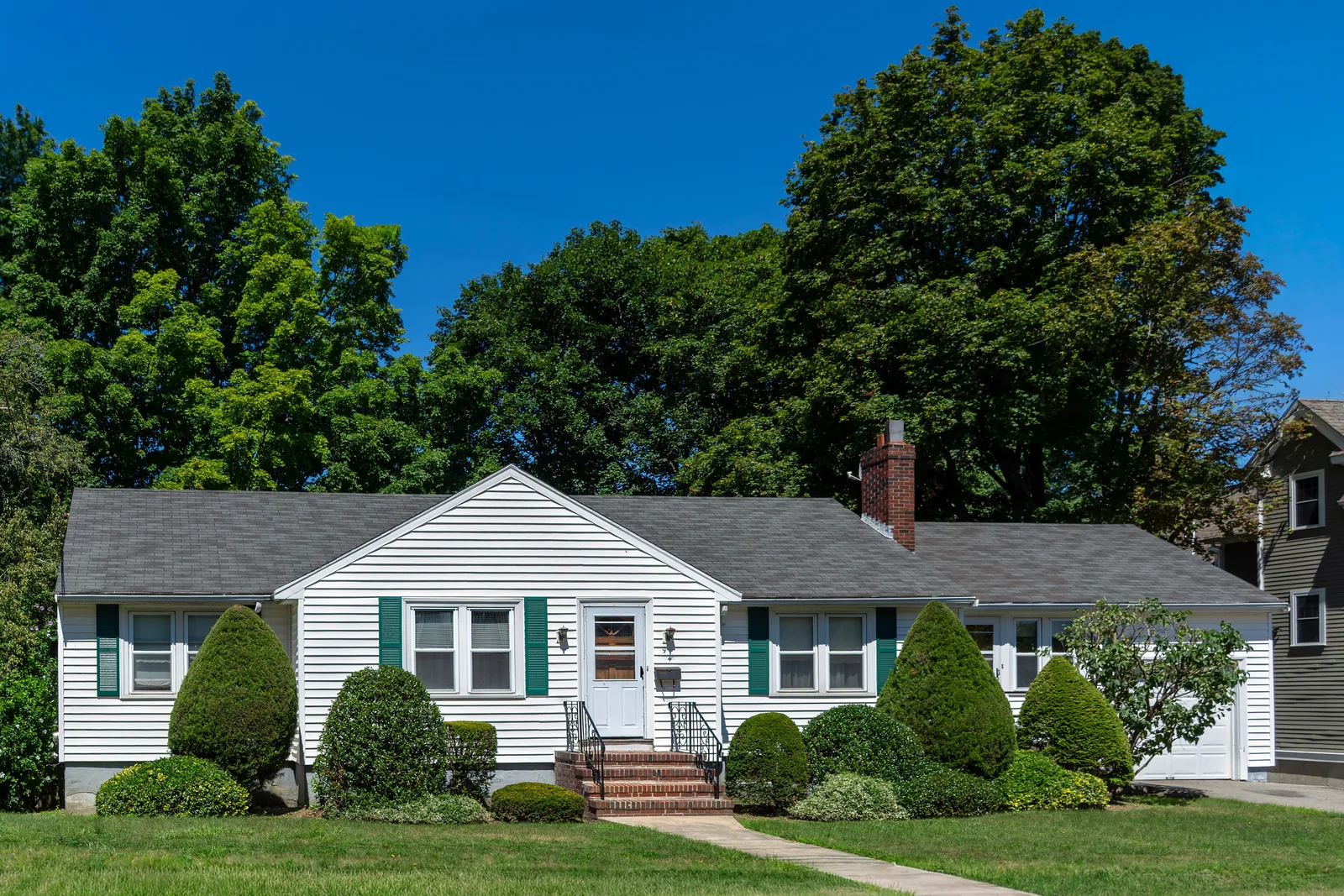
Belle Grove roof shapes and historic details
Fort Smith’s Historic Preservation Plan describes Belle Grove as a 22-block district with nineteenth- and early twentieth-century architectural styles. The variety matters to roofing: a roof shape, dormer or chimney may contribute to the building’s character as well as its water-shedding details.
On an older house, changes may also have been made at different times. A porch could have been enclosed or a roof-to-wall connection repaired during an earlier reroof. Those are possibilities to investigate on the property, not conditions that can be assumed from its neighborhood.
Where a steep roof meets a shallower porch roof, the transition needs an appropriate roofing and flashing detail for both surfaces. Repairing one visible patch without understanding that change in slope can leave the actual entry path in place.
For work within the local historic district, roof character and construction approval need to be considered together. The Fort Smith roofing permit guide explains those separate review paths.
Chaffee Crossing roofs and property differences
The Chaffee Crossing development overview describes residential, commercial and other uses across Fort Smith and Barling. That is a reason to establish the address and building use before assuming one roof specification or approval process for the entire development.
A newer home still has pipes, wall flashings and other openings through the roof. A failed detail can produce a leak while the surrounding covering remains useful. Newer construction does not rule out damage, and a leak does not establish that every shingle needs replacing.
The relevant comparison is the actual roof assembly: its slope, material, connections and present condition. A commercial low-slope building in the same development presents a different drainage and equipment problem from a pitched residential roof.
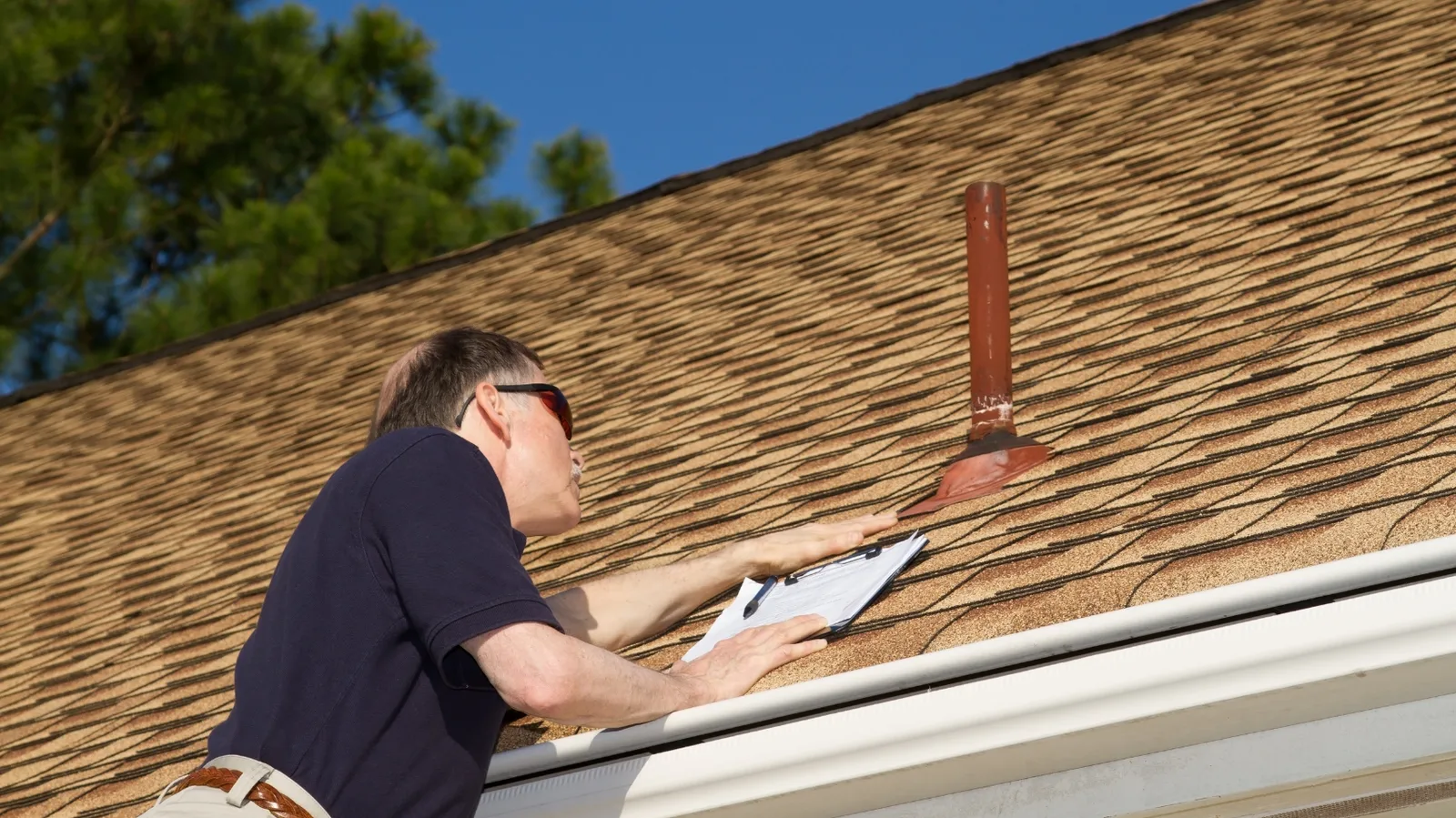
Inspecting the actual roof, beyond its age
The helpful conversation begins with what is happening now: where water appears indoors, what has changed on the roof or why replacement is being considered. A roofer then examines the covering and the connections that could explain that concern.
Age and location provide context. They do not prove a repair history, identify hidden damage or decide the amount of work. Fort Smith Roofing Co offers a free inspection to start from the property instead of an assumed “old roof” or “new roof” category.
A local defect and widespread deterioration lead to different options. The roof repair page explains how the surrounding condition changes the repair boundary.
Talk through the roof on your property
Tell us what changed and where the property is. A free inspection starts with the roof itself.